

Historic Home Painting in Portland: Protecting Original Woodwork the Right Way
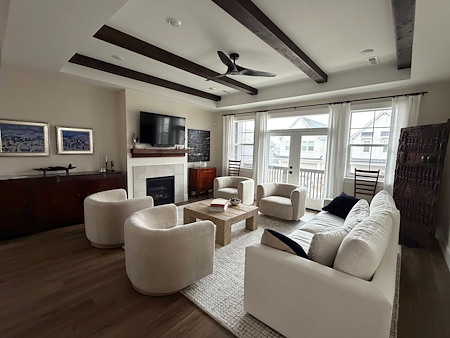
Historic home painting in Portland takes a careful touch. Many houses in neighborhoods like Irvington, Ladd’s Addition, and Laurelhurst still have original fir, oak, or maple trim that deserves respect. The right approach preserves crisp profiles, tight joinery, and old-growth character while giving your rooms a fresh, durable finish. If you are planning a project, start by reviewing how professional interior painting protects original details without shortcuts.
Why Historic Home Painting in Portland Demands a Different Approach
Portland’s housing stock includes Craftsman bungalows, Victorians, and early mid-century homes. These houses were built with dense lumber and hand-shaped profiles that react differently to today’s waterborne coatings. Our marine climate also brings long rainy stretches and higher indoor humidity, which can slow curing and magnify adhesion issues if prep is rushed. A seasoned painter understands these realities and builds a process that protects trim first, then beautifies it.
Homes built before 1978 may contain lead-based paint; hire a certified professional who follows lead-safe work practices. That protects your household and prevents dust from spreading into adjacent rooms. Good contractors use containment, ventilation, and HEPA filtration tailored to older interiors.
Assessing Original Woodwork Without Damage
A careful assessment happens before any sanding or priming. Pros look at wood species, cut, and grain to predict how the surface will accept new coatings. They check for shellac, oil, or wax residues that can interfere with adhesion. Light, non-destructive testing helps map the right prep plan while keeping the patina you want.
What a thorough evaluation includes:
- Identifying profiles like picture rails, crown, wainscot, and window stools that need crisp edges preserved.
- Spot testing for old varnish or shellac so the correct bonding primer is chosen.
- Checking moisture with a meter to avoid trapping humidity under fresh coatings.
- Flagging past repairs or filler that may telegraph through glossy finishes.
Test in a discreet spot first to confirm how existing finishes react to cleaners, primers, and topcoats. One small check can prevent a large headache on irreplaceable trim.
Safe Surface Preparation for Older Paint Systems
Preparation is where historic woodwork is most at risk. The goal is to remove what fails, keep what is sound, and build a smooth base without flattening delicate profiles. That requires patience, the right abrasives, and dust control that keeps your home livable.
- Room-by-room containment with plastic, zipper doors, and negative air when needed.
- Selective mechanical sanding using fine grits and profile-sanding pads that protect edges.
- Careful use of liquid deglossers or cleaners to break surface tension without soaking the wood.
- HEPA vacuuming between steps so dust does not settle back into wet coatings.
Never sand unknown old coatings without proper containment and filtration. It is safer for your family and preserves the rest of the house while work is underway.
Portland’s rainy season can push indoor humidity higher, which slows drying and curing. Smart schedules cluster trim work during stable interior conditions and allow longer recoat windows. This helps paint level better and protects crisp edges on casings and crown.


Choosing Paints and Finishes That Honor Period Details
Historic interiors often look best with smooth, durable enamels on trim and soft, velvety wall finishes. Waterborne alkyds and advanced acrylic enamels give the leveling of traditional oil with lower odor and easier cleanup. The sheen you choose changes everything: satin hides more, semi-gloss brightens and shows off hand-planed edges, and gloss is a dramatic look that demands flawless prep.
Color matters too. Many Portland homeowners match picture rails and wainscoting to the window casings, then choose a quiet wall color to let woodwork shine. Others prefer a subtle contrast between doors and baseboards to emphasize proportion. If you are weighing options, reviewing our approach to interior painting can help you understand how primers, enamels, and application methods work together on older trim.
Protecting Windows, Doors, and Built-Ins
Windows, doors, and built-ins are where craftsmanship shows. Sash cords, old glazing, and inset panels need special attention, plus masking that does not pull fibers or leave residue. Clean cut lines and a free-moving sash are the standard to aim for in a historic room.
- Low-tack tapes and paper shields keep glass and hardware clean without lifting existing finish.
- Back-priming bare edges on old doors helps limit future swelling at panel joints.
- Careful brushing of profiles preserves shadow lines instead of filling them.
Windows should open and close freely after painting; avoid paint bridges that seal sashes shut. A detail-loving crew checks operation before packing up a room.
Sequencing Rooms to Reduce Disruption
Older homes tend to have tight floor plans. Sequencing the work keeps daily life moving while rooms are refreshed. Pros often start with low-traffic spaces to dial in color and sheen, then move to gathering areas. They finish with hallways and stair trim so high-touch surfaces cure longer before heavy use.
Clear communication is key. Your painter should outline which doors, drawers, and windows will be off-limits each day, and when they return to service. That schedule helps you plan meals, pet routes, and remote work time. If you need to coordinate specific timelines, you can always reach Mountain Painting Company at 503-505-4091 for a plan that fits your household.
Dealing With Stains, Knots, and Tannins in Old Wood
Portland homes with fir trim sometimes show dark bleed-through after repainting. That is usually tannin migration or old water staining. The fix is not more topcoat. It is the right stain-blocking primer placed with full, even coverage and adequate dry time. Once locked down, the enamel sits flatter and keeps its color.
Knots or resin pockets deserve the same discipline. Spot-priming without feathered edges can telegraph through glossy trim. Experienced painters prime wider than the defect, sand smooth, and confirm the block is complete before moving on. This patience is what keeps historic details crisp and consistent from room to room.
When to Paint Historic Trim in Portland’s Climate
Interior projects are possible year-round, but timing still matters. During long wet spells, indoor humidity rises, and windows stay closed, which slows curing. In spring and early fall, milder temperatures and better ventilation help enamels level and harden. With the right containment and air movement, winter schedules can succeed too, as long as recoat times are adjusted and rooms are given space to dry.
Homes in areas like Alameda, Sellwood-Moreland, and Mt. Tabor see similar seasonal patterns. The best contractors measure conditions in the room and tailor the pace. That protects your original woodwork and avoids rushing steps that would dull profiles or trap moisture.
What to Expect From a Detail-Focused Painter
Great results come from a repeatable process. Here is what homeowners usually notice when a crew respects historic woodwork:
- Thoughtful protection of floors, stair treads, and banisters before a single tool comes out.
- Documentation of trouble spots like hairline cracks at mitered corners and how they will be stabilized.
- Feather-sanding that keeps curves true instead of flattening reveals and beads.
- Clean, brush-applied finishes where profiles call for it and fine-spray techniques where they add value.
Just as important is cleanup. Daily resets keep dust from traveling and let you use more of your home each night. Final walkthroughs confirm edges, touch-ups, and hardware function so your trim both looks and works like it should.
How Mountain Painting Company Protects Your Home
Mountain Painting Company pairs careful planning with best-practice coatings so original woodwork stays the star of your rooms. We stage work to keep your household moving, communicate daily milestones, and document every surface before we begin. From profiling-safe sanding to stain-blocking primers and low-odor enamels, we tailor each step to older interiors.
For expert historic home painting in Portland, call Mountain Painting Company today. We are happy to review your goals, discuss sheen options, and map a sequence that respects your schedule.
Historic homes are a Portland treasure, and with the right plan they can look fresh without losing character. The combination of gentle assessment, safe prep, smart primers, and well-chosen enamels keeps profiles crisp and rooms bright. Whether you live in a Craftsman in Woodstock or a foursquare in Buckman, preserving your original woodwork the right way will reward you every time you walk through the door.
Recent Articles
-
Historic Home Painting in Portland: Protecting Original Woodwork the Right Way
Historic home painting in Portland takes a careful touch. Many houses in neighborhoods like Irvington, Ladd’s Addition, and Laurelhurst still have original fir, oak, or maple trim that deserves respect. The right approach preserves crisp profiles, tight joinery, and old-growth character while giving your rooms a […]
-
Historic Craftsman Home Restoration in Irvington, Portland
A beautiful exterior transformation by Mountain Painting Company Portland’s historic Irvington neighborhood is known for its tree-lined streets and remarkable collection of early twentieth-century homes. At Mountain Painting Company, we value the opportunity to preserve the character of these properties. Our recently completed exterior painting project on […]