

Why Exterior Paint Fails on Older Portland Homes: Common Causes and How to Prevent Costly Repairs
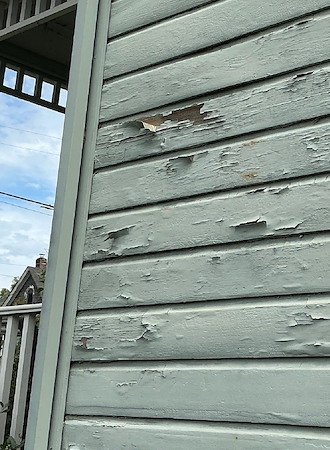
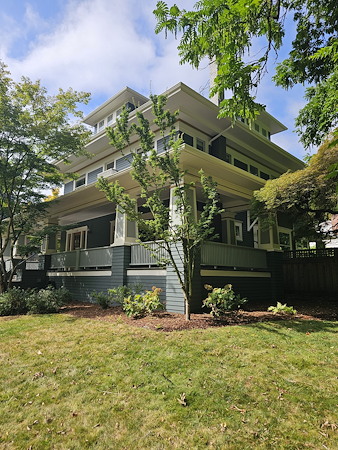
Portland, Oregon, is known for its beautiful older homes, from the Craftsman bungalows of Sellwood and Woodstock to the historic residences of Irvington, Laurelhurst, and the West Hills. These homes are an important part of our city's architectural character, but maintaining them in the Pacific Northwest's damp climate requires special attention.
Peeling paint, deteriorating caulking, and exposed wood are more than cosmetic concerns. They can indicate underlying problems that, if neglected, lead to expensive repairs.
At Mountain Painting Company, our decades of experience working with older and historic Portland homes have taught us that a successful exterior paint job begins long before the first coat of paint is applied.
1. Moisture and Deferred Maintenance: The Biggest Threats to Exterior Paint
Moisture is one of the leading causes of exterior paint failure in Portland. Water can enter through deteriorated caulking, exposed wood, failing window components, and damaged siding. When moisture becomes trapped beneath paint layers, it can cause blistering, peeling, and eventually wood rot.
Unfortunately, many homeowners don't recognize these problems until significant deterioration has occurred.
David, owner of Mountain Painting Company, often compares exterior maintenance to visiting the dentist. Regular checkups and cleanings help prevent small problems from becoming expensive procedures. Skip those appointments long enough, and what could have been a simple filling may turn into a root canal.
Your home's exterior works much the same way.
A small section of failed caulking or peeling paint may require only minor maintenance today. Left unattended through several Portland winters, that same area could eventually require extensive wood repairs or replacement.
Regular inspections and timely maintenance can significantly extend the life of an exterior paint system and help prevent costly restoration work.
2. Poor Preparation: Why Scraping and Sanding May Not Be Enough
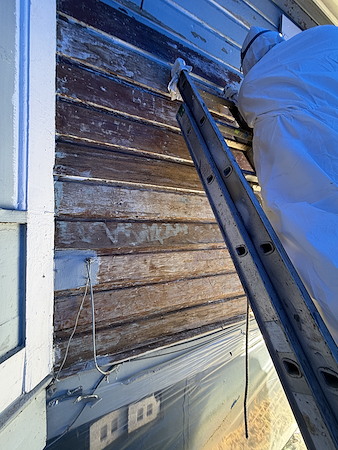
One of the most common problems we encounter on older Portland homes is inadequate preparation during previous painting projects.
Many contractors rely primarily on simply scraping loose paint before applying new coatings. While this method can be appropriate for sound surfaces, it may not be sufficient for homes with decades of accumulated paint.
Older homes frequently contain multiple layers of oil-based and latex coatings, some of which may no longer adhere properly to the underlying wood.
Applying new paint over unstable layers doesn't correct the problem. Eventually, the weakest layer may release, taking the newer paint with it.
Depending on the condition of the existing coatings, more extensive preparation or specialized paint removal may be necessary to establish a stable surface.
Proper preparation is often the most labor-intensive part of an exterior painting project, but it's also one of the most important factors in long-term performance.
For homes built before 1978, contractors must also evaluate applicable lead-safe work requirements.
3. Improper Primers, Paint Selection, and Application
Not all primers and exterior paints are appropriate for every surface.
Older Portland homes may have original cedar siding, replacement wood components, historic window trim, and several generations of existing coatings. Each presents different challenges.
Choosing the correct primer is particularly important. Some surfaces require stain-blocking primers, while others benefit from specialized bonding or wood primers.
The number of finish coats and the amount of paint applied also matter.
At Mountain Painting Company, our standard is to apply two full finish coats of paint following proper surface preparation and priming. However, the number of coats alone does not guarantee a quality finish. Each coat must be applied at the manufacturer's recommended coverage rate and film thickness, with adequate drying time between applications. These important steps help ensure proper adhesion, consistent coverage, and the long-term durability and protection your home deserves.
Whether brushed, rolled, or sprayed, proper application techniques are essential.
A quality coating system should be selected for the home's specific conditions rather than simply choosing a familiar product or the least expensive option.
4. Improper Caulking: Small Mistakes Can Lead to Expensive Repairs
Caulking is one of the most overlooked aspects of exterior painting, yet it plays an important role in protecting vulnerable joints from moisture intrusion.
We frequently encounter caulking that has cracked, separated from the wood, or been incorrectly applied during previous painting projects.
Common mistakes include applying new caulking over deteriorated material, failing to clean and prepare joints, using inappropriate sealants, or applying beads that are too thin, too thick, or improperly shaped.
Another important consideration is knowing where not to caulk.
Certain joints and openings are designed to allow moisture to drain or escape. Sealing these areas can trap water and contribute to deterioration.
Proper caulking involves removing failed material where necessary, preparing the surface, selecting the appropriate sealant, and allowing sufficient time before painting.
Much like preventative dental care, attending to these small details can help avoid significantly more expensive repairs later.
5. Painting in Portland's Unpredictable Weather
Portland's exterior painting season requires careful attention to temperature, humidity, rainfall, and drying conditions.
Paint applied to damp wood, during unsuitable temperatures, or without adequate drying time between coats may experience premature adhesion problems.
Even when an afternoon feels warm and dry, overnight temperatures and morning dew can affect coating performance.
At Mountain Painting Company, we schedule exterior painting around appropriate weather conditions and manufacturer requirements.
Knowing when not to paint is just as important as knowing how to paint.
Rushing a project to meet a schedule should never take priority over proper application conditions.
6. Aging Wood, Multiple Paint Layers, and Dark Exterior Colors
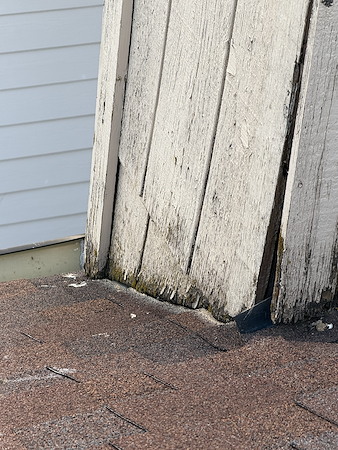
Many of Portland's historic homes still retain original wood siding and architectural details that have survived for generations.
As wood ages, repeated exposure to moisture, sunlight, and temperature changes can affect its condition. Decades of accumulated paint layers may also create adhesion problems, particularly when earlier coatings have begun to deteriorate.
Adding another coat of paint over a failing system can sometimes make the problem worse.
Color selection is another consideration.
Dark exterior colors absorb more solar heat than lighter colors, potentially increasing surface temperatures, surface tension, and movement in older wood siding. This doesn't mean dark colors should be avoided, but homeowners should understand how their choices may affect long-term performance.
Preserving original woodwork requires thoughtful preparation, compatible coatings, and an understanding of the home's age and construction.
What Should You Ask Your Painting Contractor?
Before hiring a contractor to paint an older Portland home, consider asking these important questions:
- How will you evaluate existing paint layers, moisture problems, and deteriorated wood before beginning work?
- What preparation methods will you use, and how will you determine whether scraping and sanding are sufficient?
- Which primers and finish coatings do you recommend for my home's siding, and why?
- How will you address deteriorated caulking and ensure that drainage openings remain functional?
- How many finish coats are included, and how will you account for Portland's weather and proper drying times?
A knowledgeable painting contractor should be comfortable explaining these decisions and outlining the work included in their estimate.
Protecting Portland's Older Homes for Future Generations
Exterior painting should do more than improve your home's appearance. It should help protect the building materials and craftsmanship that make older Portland homes so special.
At Mountain Painting Company, we specialize in quality exterior painting, historic home restoration, and thoughtful preparation practices. We believe that understanding the condition of a home, selecting appropriate materials, and investing in preventative maintenance are essential to achieving lasting results.
Whether you own a century-old Craftsman, a Victorian residence, or another distinctive Portland home, choosing a contractor who understands older buildings can make a meaningful difference.
Because a quality paint job isn't simply about how beautiful your home looks when the painters leave. It's about how well that work protects your home in the years that follow.
Mountain Painting Company | Exterior Painting, Historic Restoration & Color Consultation | Portland, Oregon
Recent Articles
-
Why Exterior Paint Fails on Older Portland Homes: Common Causes and How to Prevent Costly Repairs
Portland, Oregon, is known for its beautiful older homes, from the Craftsman bungalows of Sellwood and Woodstock to the historic residences of Irvington, Laurelhurst, and the West Hills. These homes are an important part of our city's architectural character, but maintaining them in the Pacific Northwest's […]
-
Interior Painting Portland Oregon | Winter Home Care & 2027 Color Trends
Refresh, restore, and reimagine your home with professional interior painting, thoughful color selection, and expert craftsmanship. There is something unmistakable about fall and winter in Portland, Oregon. The brilliant colors of autumn gradually give way to overcast skies, shorter days, and the familiar rhythm of Pacific Northwest […]